
There’s something unforgettable about opening a Magic Book for the first time. Not because of the glowing spells or enchanted pages, but because these stories pull you into places that feel familiar and impossible at the same time. A Magic Book creates a bridge between imagination and emotion, making readers feel connected to worlds they’ve never seen but somehow understand.
People read fantasy for different reasons—escape, comfort, inspiration—but the magic book always wins hearts because it blends real feelings with unreal possibilities.
Why is a Magic Books Still Work in a Modern World
With screens, short videos, and constant notifications, you’d think people have lost patience for long stories. But the demand for magic books keeps growing. Why? Because fantasy does something reality can’t. It gives you a safe place to explore ideas like courage, loss, hope, and identity—wrapped inside spells, quests, and unusual worlds.
Even teenagers today, who grew up online, flock to magical stories. Look at the success of Harry Potter, Percy Jackson, A Discovery of Witches, or even lesser-known indie fantasy hits. They don’t just entertain; they create entire communities. People read these books to feel part of something bigger than themselves.
A good magic book lets readers switch identities for a while. One moment you’re a student or a parent or someone stuck in traffic. The next moment you’re holding an enchanted object, trying to understand a prophecy, or racing through a world where anything can happen. This shift—temporary but powerful—explains why fantasy never goes out of trend.
Storytelling: The Real Spell Behind Every Magic Book
When someone says a book feels “magical,” it’s rarely about the literal spells. It’s about how well the story is told.
Three things separate an average magic book from a memorable one:
Characters Who Feel Human (Even If They Aren’t)
A wizard dealing with self-doubt is more relatable than a perfectly skilled hero. A genie family arguing over breakfast feels more real than characters who never disagree. Readers connect with flaws, not perfection.
The Emotion Driving the Plot
A plot full of action but empty of emotion doesn’t last. A magic book becomes compelling when are characters make tough choices—choosing loyalty over comfort, courage over fear, or hope over logic.
Consistent Rules, Even in Fantasy
Magic works best when it has limits. When there are consequences. A spell shouldn’t fix every problem. In fact, many of the most powerful moments in fantasy happen when magic fails and characters must rely on something deeper.
These three ingredients turn a magical story into something meaningful. Without them, a tale full of spells is just noise.
The Power of Mystery in Fantasy Writing
Mystery elevates a fantasy story from “fun” to “addictive.” When a reader senses that something is off—a missing memory, a strange prophecy, an object that shouldn’t exist—they are lean closer to the page.
Writers use mystery to keep emotions engaged
Why is the magic fading?
Who can be trusted?
What secret will change everything?
Why is this character different from the rest?
The magic book doesn’t need to become a detective novel, but adding unanswered questions gives readers a reason to turn the next page.
How Real-Life Experiences Shape Magic Books
People assume fantasy authors live in their own worlds, but many magical stories are inspired by real-life challenges. Loss, family struggles, loneliness, identity crises—these things often show up behind the dragons and spellbooks.
Sometimes a magical setting is the only way to express emotions too complicated to say in plain language. A character losing their powers might represent confidence disappearing. A quest to save a friend might reflect the author’s personal fight to protect someone they love.
Readers don’t always notice this, but they feel it.
The Wishing Family in Quest for Magic
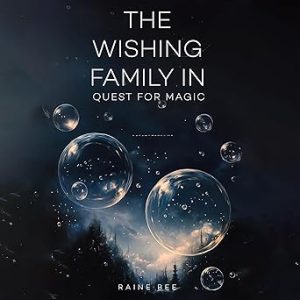
Every magic book has its own style, but The Wishing Family in Quest for Magic stands out because of the heart behind it. Written by Loraine Beasley, the story follows a genie family facing a problem that feels surprisingly human: their oldest son, Max, loses his magic and becomes an ordinary boy. In their world, that isn’t just unusual—it’s dangerous. The family’s attempt to restore Max’s magic becomes a journey filled with tension, loyalty, and sacrifices.
What makes this book especially engaging is how the magic is tied to family bonds. Melody and Music, Max’s siblings, don’t just exist to fill space; they shape the emotional direction of the story. The book explores how far a family will go to protect one of their own, even when the odds are stacked against them. It’s fantasy, but it’s also a story about identity, belonging, and the fear of losing someone you love. That’s what gives the book its emotional punch—not just the spells, but the relationships behind them.
Why Readers Keep Returning to Magical Stories
People don’t revisit magic books because they forgot the plot. They return because they want to feel something again. Nostalgia. Comfort. Wonder. Or maybe they want to see if the story hits differently when they’re older.
Magical stories grow with readers. A child might focus on dragons and treasure. An adult might read the same book and notice themes of responsibility, sacrifice, or regret. Fantasy ages well because it adapts to the reader.
The Future of Magic Books
Magic books today aren’t just printed novels. They’re audiobooks, illustrated editions, digital shorts, and sometimes movies or games. But no matter how technology changes, the core stays the same—a story powered by imagination and emotion.
The world keeps changing fast. People need a place where anything is possible, even if just for a few minutes. And that’s exactly what a magic book offers: freedom, curiosity, and hope wrapped inside a story.
Final Thoughts
The Fantasy might look like escape, but it often leads readers back to themselves. A magic book with strong characters, emotional stakes, and mystery can stay with someone for years. It can shape how they see courage, friendship, or family. And when a story manages to do that, the spells are just a bonus.