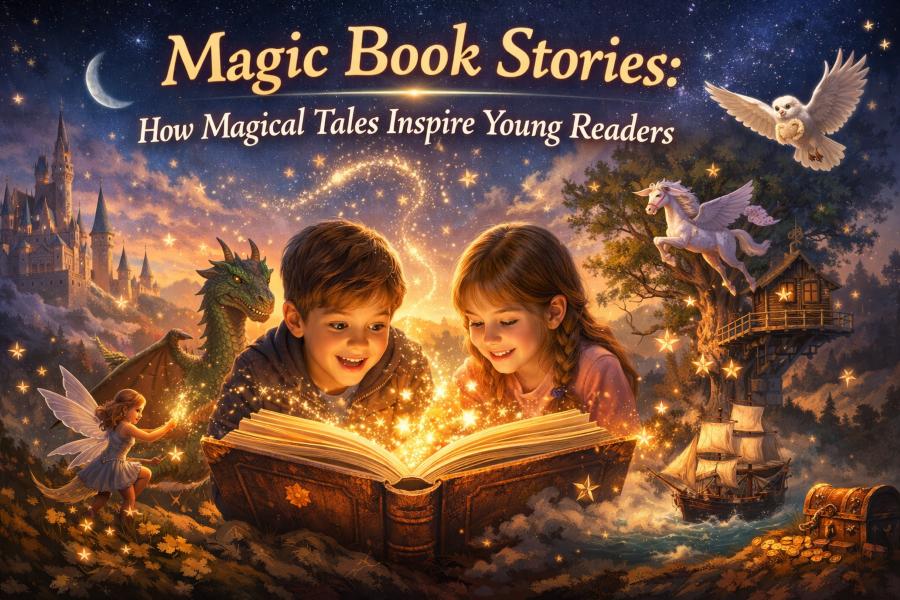
A magic book can open a child’s imagination in powerful ways. Reading a magic book filled with adventure, mystery, and family stories encourages young readers to explore new ideas, embrace wonder, and believe in the impossible.
Magical stories have fascinated young readers for generations. From classic fairy tales to modern fantasy novels, the idea of magic sparks curiosity and imagination. But beyond entertainment, a magic book can shape how children think about courage, family, and problem-solving.
Parents and teachers often notice that children who read fantasy stories tend to ask more questions and imagine creative solutions. A magical story does not just tell a tale—it encourages young minds to think bigger.
Why Young Readers Love a Magic Book
Children are naturally curious. They want to know how things work and what might happen if the impossible suddenly became possible. That is exactly what a magic book provides.
In magical stories, everyday rules can change. A simple object might have powers. A quiet village might hide a secret society. A normal child might suddenly discover a magical ability.
This sense of surprise keeps readers turning pages. Young readers feel excited because the story constantly offers new possibilities. It also gives them a safe way to explore ideas like bravery, friendship, and responsibility.
A child reading about a character facing magical challenges often imagines how they would react in the same situation. This kind of engagement makes fantasy stories more memorable than many ordinary narratives.
Imagination and Creativity
One of the greatest benefits of reading a magic book is the boost it gives to imagination.
When a child reads about enchanted places or unusual characters, their brain starts building pictures. They imagine landscapes, magical creatures, and mysterious cities. This creative thinking can influence how they approach real-life problems later.
For example, many teachers say students who read fantasy books often write more imaginative essays or create more creative art projects. The habit of imagining different outcomes helps them think beyond simple answers.
In other words, a magic book is not just about magic—it’s about learning to think creatively.
Magical Stories Often Carry Important Lessons
Even though fantasy stories contain spells and strange creatures, the best magical tales still reflect real life.
Many magic stories focus on family, friendship, and personal growth. Characters face challenges that test their courage or loyalty. Sometimes they make mistakes and must learn from them.
This makes the story meaningful for young readers. They see that even magical characters must deal with problems, make decisions, and accept responsibility.
These lessons often stay with readers long after the book is finished.
The Role of Family in Magical Stories
Another reason magical stories connect with young readers is their focus on relationships. Many fantasy books explore the importance of family and teamwork.
Children enjoy stories where characters rely on one another. A magical problem is rarely solved by one person alone. It often requires cooperation, trust, and understanding.
This idea mirrors real life. Young readers learn that challenges are easier to face when people work together.
A Magic Book Example: The Wishing Family in Quest for Magic
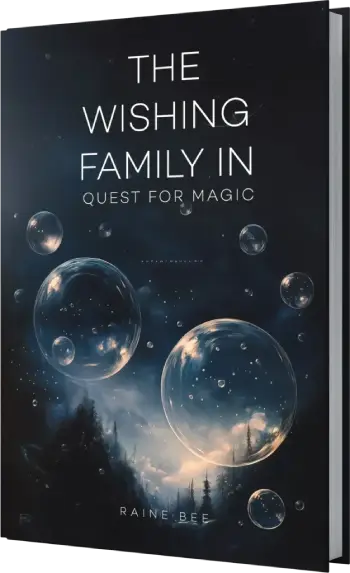
A good example of a family-centered magic story is The Wishing Family in Quest for Magic by Raine Bee. The book follows a unique family of genies living between the magical and mortal worlds.
The story focuses on Max, a young boy who suddenly loses his magic and becomes what the magical world calls a “Changeling.” His parents, Murdock and Martha, along with his twin sisters Melody and Music, return to the village of Kersey hoping to help him regain his powers.
As strange magical events begin to threaten the family and their home, Max finds himself at the center of a dangerous mystery. Someone is testing the Wishing family, creating chaos in the village and using magic to target Max directly.
During the story, Max faces fear, confusion, and the possibility of losing his place in the magical world forever. What makes the book engaging for young readers is the emotional core of the story—Max’s determination to save his family and prove he belongs.
In this imaginative story, author Raine Bee combines adventure, magical creatures, and strong family bonds, creating the type of magic book that encourages readers to keep turning pages.
Readers interested in the story can find the book here:
https://www.amazon.co.uk/Wishing-Family-Quest-Magic/dp/1805581511/
Why Magical Stories Stay Popular
Despite changes in technology and entertainment, magical stories remain extremely popular.
Movies, games, and television shows often draw inspiration from fantasy books. Yet reading a magic book still provides a unique experience that screens cannot fully replace.
Books allow readers to imagine the world in their own way. Every reader visualizes characters differently. Every magical setting looks slightly different in their mind.
This personal connection is one reason fantasy stories remain powerful.
Reading Builds Confidence
Another benefit of magical stories is that they often feature young heroes.
When readers see characters their own age solving problems, facing danger, or discovering hidden strengths, it can build confidence. Children realize that bravery and intelligence are not limited to adults.
Many young readers finish a fantasy book feeling inspired. They might start writing their own stories or imagining their own magical worlds.
This creative confidence can influence their learning and communication skills as they grow older.
Magic Stories Encourage Curiosity
Fantasy books also encourage curiosity about the world.
A magic story might lead a child to ask questions about mythology, history, or different cultures. They might want to learn where certain legends came from or how old magical traditions developed.
In this way, a magic book can become a starting point for broader learning.
The Lasting Power of a Magic Book
A well-written magic book stays with readers long after the final page. The characters feel real, the adventures feel exciting, and the lessons feel meaningful.
For young readers especially, magical stories offer something valuable: the chance to imagine a bigger world while learning about courage, kindness, and determination.
Whether the story involves talking animals, mysterious spells, or magical families protecting one another, the best fantasy books share a common purpose—they inspire young minds.
And sometimes, that inspiration is the most powerful magic of all.